Audit the fridge
Spend five minutes noting what needs using up before it goes south. This shapes the first two dinners.
Flexible weekday frames, themed nights and printable templates that adapt to whatever ends up in the fridge by Wednesday.
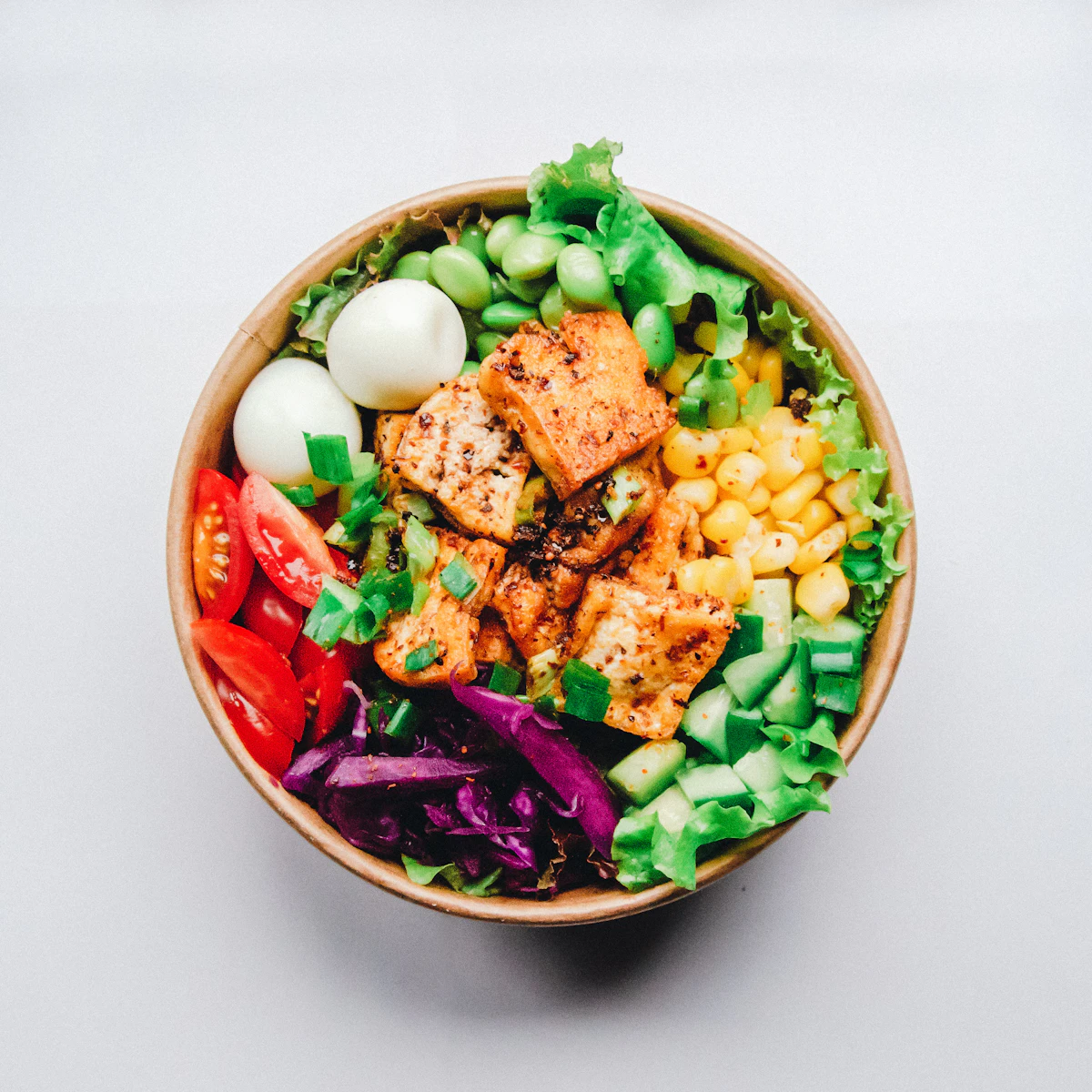
Instead of choosing seven meals from a blank page, we suggest five soft themes. The theme stays the same, the recipe rotates. Decision fatigue drops, the shopping list tightens and dinners feel familiar without being repetitive.
This is the short Sunday ritual our readers use to lock in dinners without spending hours on prep.
Spend five minutes noting what needs using up before it goes south. This shapes the first two dinners.
Slot four or five themed dinners onto your planner. Leave one night intentionally free for leftovers.
Group items by aisle — produce, pantry, fridge, freezer — so the shop takes one loop, not three.
One mid-week top-up at most. The whole point is fewer trips and less waste.
Not unless you want to. Most readers default to a small rotation of three breakfasts and two lunch builds, and only plan dinners in detail. The Friday fresh idea often becomes Saturday lunch too.
Pick three anchor dinners you definitely will cook and leave the other nights flexible. The pantry guide on the Nutrition Basics page lists fall-back combinations you can put together in under fifteen minutes.
Halve the themes and lean into batch-friendly options like bowls and soups, which keep brilliantly. Aim for two cook sessions and three reheats per week.
The themed approach helps because the structure stays the same — only the toppings change. Let everyone build their own bowl or sheet pan plate from the same base.
Send us a quick note and we will share the latest seasonal version along with a sample shopping list.
Request the planner